
CULTURE OF SUSTAINABILITY- IT STARTS WITH THE INDIVIDUAL BUT TRANSFORMS THE ENTIRE SYSTEM

CULTURE OF SUSTAINABILITY- IT STARTS WITH THE INDIVIDUAL BUT TRANSFORMS THE ENTIRE SYSTEM

INTERVIEW - NINA ELEZOVIĆ, DIRECTOR OF CORPORATE AFFAIRS AND SUSTAINABILITY AT COCA-COLA HBC SERBIA AND MONTENEGRO

That ESG is not merely a passing communication platform but a strategic decision shaping the future of business is confirmed by the progress of numerous multinational companies, not only in implementation but also in the way ESG principles are reported. As a global leader in its industry, Coca-Cola HBC has gone a step further by integrating sustainability into its core corporate values, with employees acting as ambassadors of sustainable practices in their everyday work. In Serbia and Montenegro, local teams continue to push boundaries in environmental stewardship, community engagement, and responsible market behavior. In an interview for Bizlife, Nina Elezović, Director of Corporate Affairs and Sustainability at Coca-Cola HBC Serbia and Montenegro, explains how environmental commitment and business growth can go hand in hand.

You have been with Coca-Cola HBC for more than a decade and have had the opportunity to follow the evolution of sustainability principles. How does a vision evolve into a culture and everyday sustainability practices?

A culture of sustainability begins with personal responsibility and is built through everyday decisions. If today you show your child how to properly sort waste, you have helped them make the right decision. However, if you also explain that the same waste can gain a new life through proper disposal and recycling, you have helped them take the first step toward building a culture of responsible behavior. The same applies to large systems. With a clear vision, small steps gradually grow into everyday employee behavior. Collective change begins with individual examples. This is also evident in trends such as artificial intelligence, which is rapidly changing the way we think and solve challenges, while learning responsible behavior toward nature changes how we use resources, produce and distribute products, and ultimately manage resources and waste. Sustainability is the foundation of our business and a way to demonstrate how far our vision extends toward the future we aim to build together with our employees, customers, and suppliers.

If we look at the results of your latest Sustainability Report, you have made significant progress in reducing harmful emissions, managing water resources, and achieving energy savings. Which achievements would you particularly highlight?
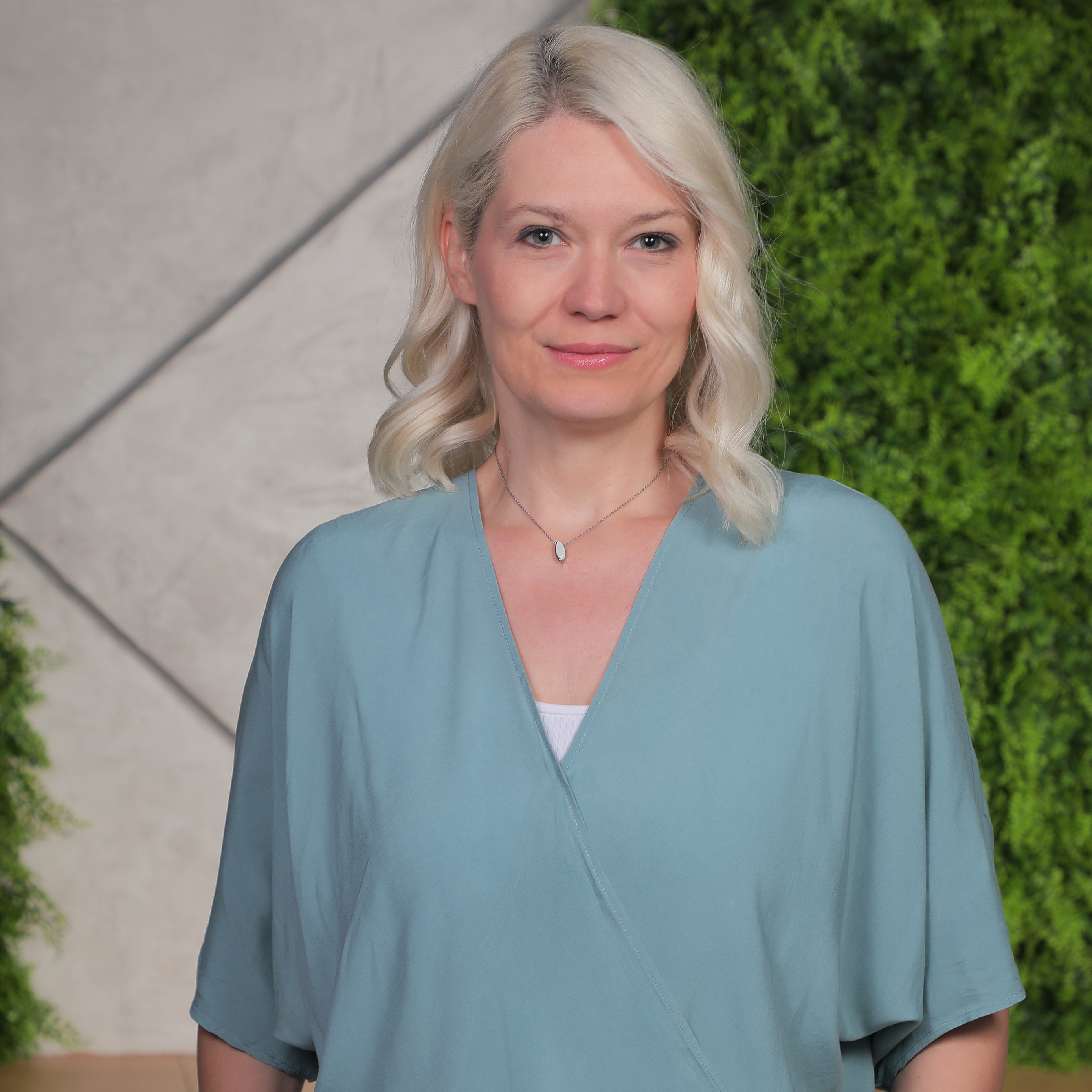
Nina Elezovic foto

The results of our 12th Sustainability Report demonstrate exactly that even the smallest absolute savings can make a meaningful difference. For example, the introduction of the KeelClip innovation in secondary can packaging resulted in a reduction of plastic use by 1,775 kilograms in the first year alone. Over the past seven years, we have also achieved a 76.2 percent reduction in CO2 emissions directly linked to our operations. At the same time, we work in partnership with our suppliers, who play a significant role in our processes, through education and knowledge sharing, to jointly reduce indirect emissions and further green our value chain. We are fully aware of our role in responsible water stewardship, which is why we focus on improving water efficiency in production. Last year, all three of our bottling plants in Serbia were certified according to the international ISO 46001 standard for water efficiency management systems. We are particularly proud of this achievement as it covers the entire process, from water sources and consumption to treatment and discharge.

NINA ELEZOVIĆ DIRECTOR OF CORPORATE AFFAIRS AND SUSTAINABILITY AT COCA-COLA HBC SERBIA AND MONTENEGRO

One of your products most closely associated with sustainability is Rosa. In 2025, the “Vlasinka” bottling plant marks 20 years since becoming part of the Coca-Cola system. How do you view that development journey?

It is a great honor to have been part of a success story from the very beginning, one that continues to win the trust and hearts of consumers across the region. Back in 2005, as an associate of the Coca-Cola system, I remember the details of the agreement when a local brand from the Vlasina region became part of a large global family while preserving everything that made it unique.

Today, Rosa is much more than bottled water, and the “Vlasinka” plant is far more than the greenest factory within our business unit. It is an example of how business ambition can go hand in hand with social responsibility. To date, we have invested more than 17 million euros in production modernization. Employees still recall how it all began with a single production line, while today there are four.

What makes Rosa truly significant are not just the numbers, but the footprint it leaves behind. Rosa has launched initiatives that have made a tangible difference for local communities, from supporting the first human milk bank and parenting initiatives to the “Vlasina Pure Love” project, through which we built 47 kilometers of hiking trails and supported environmental initiatives.

For me, Rosa is also a personal story, both professional and emotional. Although there are few archived memories or photographs from the signing of the original agreement, what remains forever is the feeling that 20 years ago we made one of the most successful business decisions in Serbia and beyond.

How is sustainability reflected among employees and how is it translated into support for the local community?

Our employees are true sustainability ambassadors. They regularly participate in volunteer actions and community projects and are often willing to go the extra mile in critical moments. Last year alone, we invested more than 2,100 volunteer hours in various initiatives. This clearly demonstrates their commitment and enthusiasm, as our people are ready to contribute beyond their regular business responsibilities. Another example of how business partners and local communities act together, especially in crisis situations, was demonstrated this summer through a rapid response and donations of nearly 50,000 liters of products to support those most affected by wildfires in Serbia and Montenegro. Taken together, employee engagement, swift mobilization of resources, and cooperation with local non-governmental organizations and public institutions confirm that sustainability at our company is not merely declarative, but lived through people, partnerships with customers, suppliers, and organizations, and concrete actions that support the most vulnerable.

What would you say is the key lesson Coca-Cola HBC Serbia has learned about sustainability?

Being an industry leader does not mean following trends. For us, the only trend is consistency. When your actions deliver results year after year and demonstrate that market success can go hand in hand with social responsibility, that is a value system and a path we remain committed to.

Fun fact which carbon heavy activity would you like to eliminate?

I enjoy cooking, sometimes to the extent that I prepare more food than a three member household actually needs. That is why one of my personal goals is more rational planning and consumption of fresh, locally sourced ingredients. As a result, food waste management is a topic I would like to see discussed much more in Serbia in the future.

LINK TO THE ARTICLE